Understanding COSHH: Lessons Learnt from the Most Alarming Workplace Breach Case Studies

Workplace safety is a subject that rarely captures headlines until something goes catastrophically wrong. Yet for millions of employees across the United Kingdom, the risks posed by hazardous substances are a daily reality. Understanding the framework designed to manage those risks (known as COSHH) is not merely a legal obligation for employers; it is a matter of life and death.
Key takeaways
- COSHH regulations mandate that employers assess and manage the risks of hazardous substances using a hierarchy of controls ranging from elimination to protective equipment.
- The scope of COSHH is vast, encompassing everything from industrial chemicals and solvents to common hazards like wood dust, flour, and biological agents.
- Many work-related illnesses, such as chronic lung disease or cancer, develop gradually, making consistent monitoring and proactive risk assessment critical to preventing irreversible damage.
- Major COSHH breaches are often caused by outdated risk assessments, lack of employee training, poor chemical labeling, and inadequate ventilation systems.
- Employers must move beyond one-off training and implement ongoing education to ensure workers understand safety protocols and the reasons behind them.
- Establishing health surveillance programs and fostering a culture where near-misses are reported without fear are essential for maintaining a safe work environment.
- Compliance with COSHH is not merely a legal requirement but a fundamental responsibility to ensure the long-term health and safety of every employee.
What COSHH Really Means and Why It Matters in the Workplace
The core principles behind coshh regulations
COSHH stands for the Control of Substances Hazardous to Health, a set of regulations that places a clear duty on employers to assess and manage the risks arising from hazardous substances in the workplace. At its heart, COSHH is built upon a hierarchy of controls, from eliminating a substance altogether, to substituting it with something safer, to engineering controls such as ventilation, and finally to personal protective equipment as a last resort. The underlying philosophy is straightforward: wherever a worker could be harmed by a substance, the employer must take reasonable, proportionate and documented steps to prevent that harm.
What makes COSHH particularly significant is its breadth. The regulations cover an enormous range of materials, from obvious culprits such as industrial solvents and cleaning chemicals, to less immediately obvious hazards like wood dust, flour dust, biological agents and fumes generated during welding. Any substance that can cause ill health through inhalation, skin absorption, ingestion or injection falls within the scope of these rules, making COSHH relevant to virtually every sector of industry.

How hazardous substances put workers at risk every day
The dangers associated with hazardous substances are not always dramatic or immediate. Many of the most serious outcomes (occupational asthma, dermatitis, chronic lung disease, and even certain cancers) develop gradually over months or years of low-level exposure. This insidious nature makes robust risk assessment and consistent monitoring all the more essential, because by the time symptoms become apparent, irreversible damage may already have occurred.
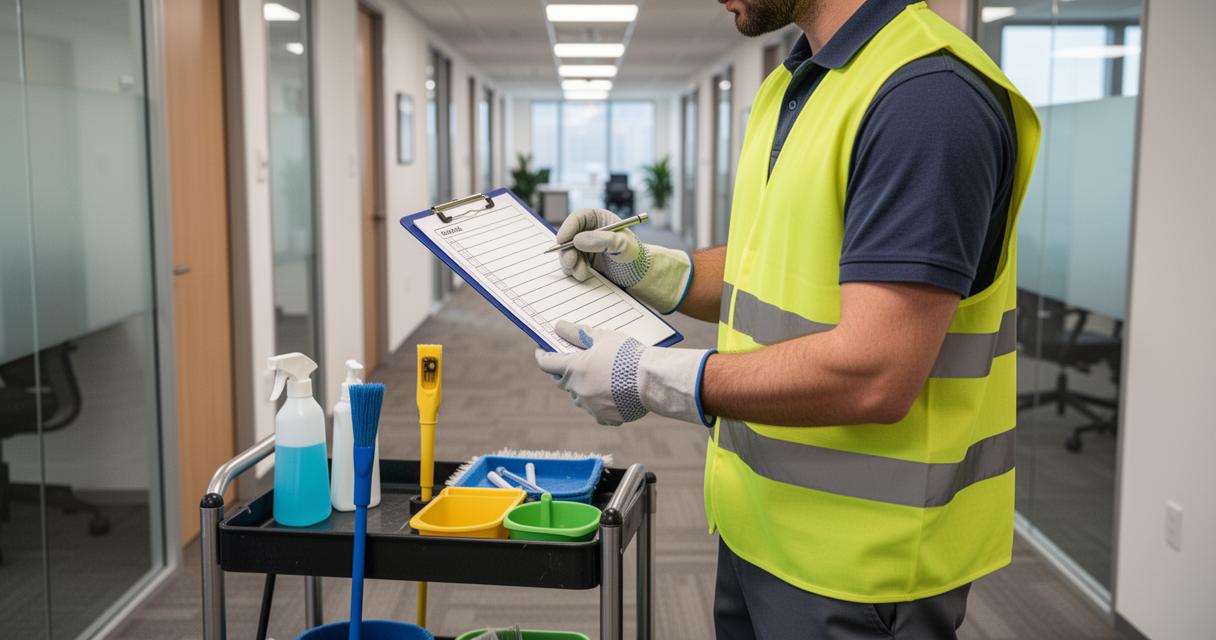
Workers in construction, manufacturing, agriculture, healthcare and catering are among those most frequently exposed to hazardous substances. However, no sector is entirely immune. Even office environments can harbour risks from cleaning products, printer toners or poorly ventilated air conditioning systems. The lesson is that complacency is itself a hazard, a failure to take COSHH seriously is invariably what turns a manageable risk into a devastating incident.
Alarming Workplace Breach Cases and the Lessons They Teach Us
Common failures that lead to serious coshh breaches
When serious COSHH breaches occur, investigators almost always uncover a familiar pattern of failures. Inadequate or outdated risk assessments are frequently at the root of incidents, with employers either conducting superficial reviews or failing to revisit assessments when working practices change. Equally common is the absence of proper training, workers handling hazardous substances without the knowledge to do so safely, or managers who cannot identify the warning signs of overexposure.
Poor storage and labelling of substances also feature repeatedly in breach investigations. When chemicals are decanted into unmarked containers, or stored in ways that lead to accidental mixing, the potential for serious harm escalates sharply. Inadequate ventilation systems represent another recurring failure, particularly in environments where vapours or fine particulates accumulate over time. In many documented cases, employers were aware of deficiencies but deferred remedial action, a decision that courts have consistently treated with little sympathy.
Practical steps employers can take to avoid repeating these mistakes
The lessons drawn from workplace breaches point clearly towards a set of practical measures that every responsible employer should embed into their day-to-day operations. A thorough and regularly reviewed COSHH risk assessment is the essential starting point, identifying every substance in use, the nature of the risk it presents, and the controls required to manage it effectively.

Training must be meaningful and ongoing, not a one-off exercise completed at induction and promptly forgotten. Workers should understand not only the procedures they must follow, but the reasons behind them, because informed employees are far more likely to adhere to safety protocols and raise concerns when something seems amiss. Employers should also establish clear health surveillance programmes for staff regularly exposed to known hazardous substances, enabling early detection of any adverse health effects.
Finally, a culture of openness and accountability is indispensable. When near-misses and minor incidents are reported and investigated without blame, organisations develop the institutional knowledge needed to prevent far more serious events. COSHH compliance is not a bureaucratic burden, it is, at its most fundamental level, an expression of respect for the people who come to work each day and deserve to go home unharmed.