Comparative Analysis of the Best Self-Consumption Solar Kits: Mon Kit Solaire, Beem Energy, Solarchoc, Allo Solar, and Mater France
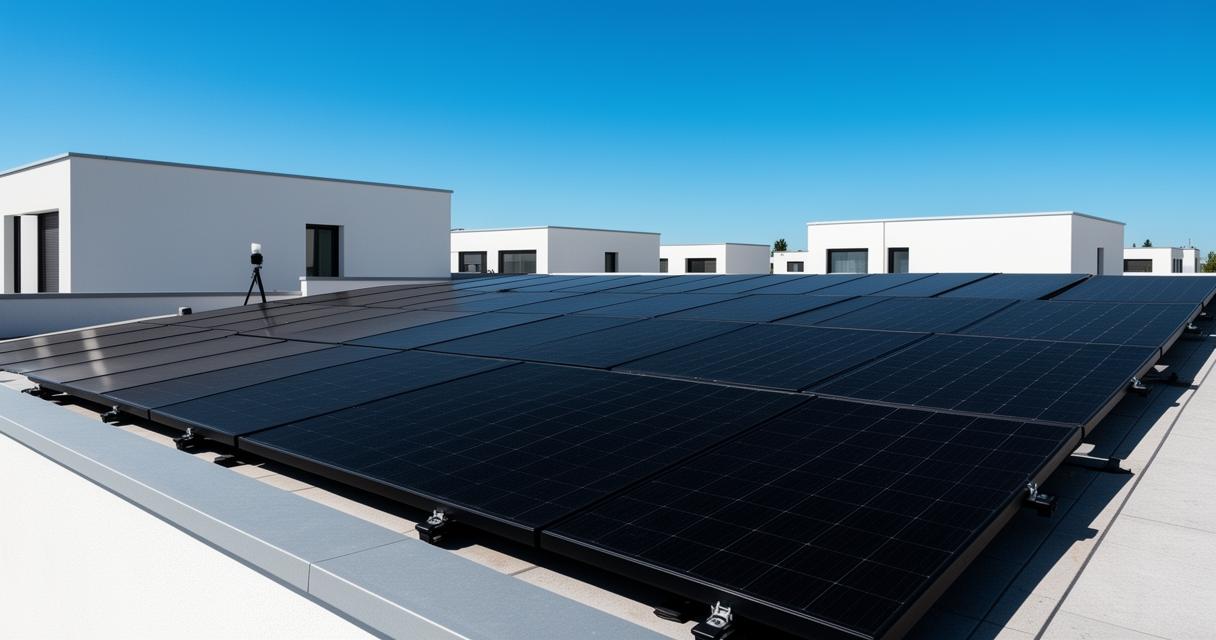
The shift towards renewable energy sources has accelerated dramatically in recent years, with solar power emerging as an accessible and cost-effective option for households seeking to reduce their electricity bills whilst contributing to environmental sustainability. Self-consumption solar kits have revolutionised the way individuals approach energy independence, offering straightforward installation processes and tangible financial benefits. This analysis examines five prominent providers in the French market, exploring how Mon Kit Solaire, Beem Energy, Solarchoc, Allo Solar, and Mater France compare in terms of pricing, efficiency, and customer satisfaction. As the market continues to expand with affordable options priced between four hundred thirty and eight hundred sixty euros, understanding the distinctions between these offerings becomes essential for making an informed investment decision.
| Provider | Pricing Range | Key Strengths | Target Customer | Installation Approach | Notable Features |
|---|---|---|---|---|---|
| Mon Kit Solaire | £300-£4,000 (£300-£700 for plug & play systems) |
Comprehensive solutions, tiered product range, partnerships with reputable manufacturers (DualSun, SunPower, JA Solar) | Households seeking varying power requirements, from entry-level to substantial installations | DIY-focused with clear installation guides and responsive support | Annual savings approaching £100, systems generate 400-7,000 kWh/year depending on size |
| Beem Energy | From £429 (Beem On system) |
Competitive pricing, aesthetic integration, compact design suitable for urban spaces | Urban consumers, renters, first-time solar adopters seeking affordable entry options | Plug & play installation, relocatable systems, intuitive monitoring apps | Ideal for balconies and terraces, aesthetically appealing, gateway product to larger systems |
| Solarchoc | Not specified | Value engineering, detailed technical documentation, higher wattage panels, proven technology focus | Technically minded individuals, homeowners undertaking permanent installations and energy efficiency improvements | Requires higher technical competence, emphasis on weatherproofing and structural integrity | Comprehensive guidance on orientation and shading, conservative component selection for longevity |
| Allo Solar | Variable across broad range | Extensive product diversity, component-level customisation, educational resources, active community forums | Customers with technical backgrounds, those expanding existing installations, seeking customised solutions | Flexible installation options from modest balcony setups to substantial rooftop arrays | Multiple manufacturer partnerships (DualSun, SunPower), collaborative customer community, knowledge hub |
| Mater France | Premium pricing (towards higher end of market) |
Sustainability focus, transparent supply chain, European manufacturing partnerships, ethical positioning | Environmentally motivated purchasers prioritising supplier values and lifecycle sustainability | Standard installation with emphasis on complete lifecycle considerations | Detailed component provenance, end-of-life recycling pathways, participation in sustainability events (Pollutec) |
Mon kit solaire
Mon Kit Solaire has established itself as a leading name in the self-consumption solar market, offering comprehensive solutions that balance affordability with performance. The company specialises in providing kits solaires designed for autoconsommation, enabling households to generate their own electricity whilst reducing dependence on traditional energy suppliers. Their product range demonstrates a clear understanding of diverse consumer needs, from entry-level systems to more substantial installations capable of meeting significant portions of household energy demands.
Product range and pricing structure
Mon Kit Solaire offers a tiered approach to solar energy solutions, with systems starting from approximately three hundred euros for basic configurations. Their flagship offerings include options that cater to varying power requirements, with kits designed to produce between four hundred and seven hundred kilowatt-hours annually for smaller five hundred watt-peak systems. For households seeking greater energy independence, their three kilowatt-peak installations can generate between two thousand four hundred and four thousand two hundred kilowatt-hours per year, representing substantial potential savings on electricity bills. The pricing structure reflects the company's commitment to accessibility, with mid-range plug and play systems positioned between three hundred and seven hundred euros, whilst larger installations requiring more comprehensive setup fall within the two thousand to four thousand euro bracket. This strategic pricing allows consumers to select solutions aligned with both their energy consumption patterns and budgetary constraints.
Installation and customer experience
One of the defining characteristics of Mon Kit Solaire's approach is the emphasis on straightforward installation processes that empower customers to undertake self-installation without requiring professional assistance. This do-it-yourself orientation significantly reduces overall project costs and accelerates the return on investment timeline. Customer feedback consistently highlights the clarity of installation guides and the responsive support team that assists with technical queries. The company has successfully demystified solar technology, transforming what might seem an intimidating technical challenge into a manageable weekend project for individuals with basic DIY capabilities. Reviews frequently mention the satisfaction derived from both the installation process and the subsequent monitoring of energy production, with many customers reporting annual savings approaching one hundred pounds on their energy bills. The quality of components, including partnerships with reputable manufacturers such as DualSun, SunPower, and JA Solar, ensures long-term reliability and optimal performance across varying weather conditions.
Beem energy
Beem Energy has carved out a distinctive position in the solar kit marketplace through innovative product design and competitive pricing strategies. The company's focus on accessibility and aesthetic integration has resonated particularly well with urban consumers seeking energy solutions that complement modern home architecture. Their approach combines technological sophistication with user-friendly interfaces, creating systems that appeal to both environmentally conscious consumers and those primarily motivated by financial savings.
Flagship products and technical specifications
The Beem On system represents the company's entry-level offering, priced at four hundred twenty-nine euros, positioning it as one of the most affordable options in the current market. This competitive pricing strategy has enabled Beem Energy to capture significant market share amongst first-time solar adopters who wish to test the technology without substantial financial commitment. The system's compact design makes it particularly suitable for balconies, terraces, and other constrained urban spaces where traditional solar installations might prove impractical. Despite its modest footprint, the Beem On delivers respectable energy generation capabilities that can offset a meaningful portion of baseline household consumption, particularly for devices with continuous power draw such as refrigerators and internet routers. The company's product line extends beyond this entry model, though the Beem On remains their most recognised offering and serves as a gateway product that frequently leads customers to expand their solar capacity once they experience the tangible benefits of self-generated electricity.
Customer satisfaction and market position
Customer reviews for Beem Energy products frequently emphasise the aesthetic appeal of the systems, which integrate more seamlessly into residential environments compared to bulkier traditional solar panels. The plug and play nature of their installations has proven particularly popular amongst renters and those in temporary accommodation, as the systems can be relocated without permanent modifications to property. User testimonials highlight the intuitive monitoring applications that provide real-time visibility into energy production and consumption patterns, creating an engaging experience that encourages behavioural changes towards more efficient energy usage. The company's customer service infrastructure has received mixed feedback, with some users praising the responsiveness of technical support teams whilst others note occasional delays during peak inquiry periods. The market position of Beem Energy continues to strengthen as awareness of plug and play solar systems grows, particularly amongst demographics that might have previously considered solar technology beyond their reach due to installation complexity or property ownership constraints.
Solarchoc
Solarchoc approaches the self-consumption solar market with a focus on value engineering and practical performance optimisation. The company targets consumers who prioritise proven technology and transparent specifications over cutting-edge design aesthetics. This pragmatic positioning has cultivated a loyal customer base amongst technically minded individuals and those undertaking broader home energy efficiency improvements as part of renovation projects.
Technical approach and system design
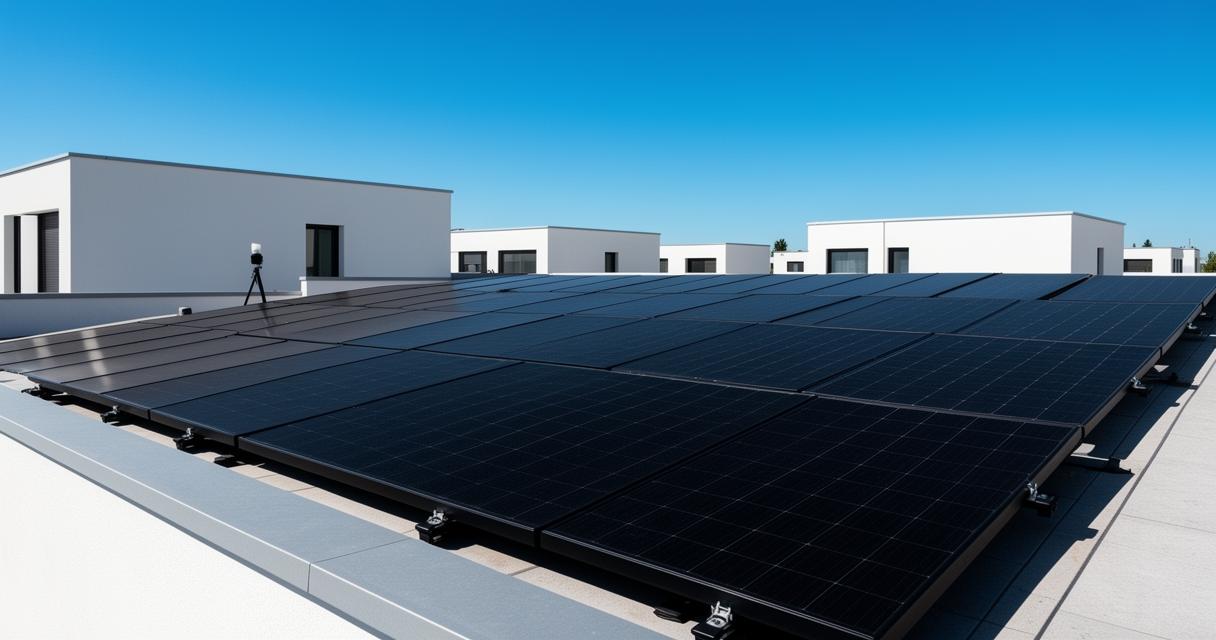
Solarchoc distinguishes itself through detailed technical documentation that enables customers to make informed decisions based on their specific energy profiles and installation conditions. The company provides comprehensive guidance on orientation, shading analysis, and expected seasonal performance variations, empowering customers to set realistic expectations and optimise system placement. Their kit configurations tend towards slightly higher wattage panels compared to some competitors, maximising energy generation potential within given physical footprints. This approach proves particularly advantageous in northern climates or installations with suboptimal orientation, where extracting maximum efficiency from available surface area becomes critical. The component selection reflects a conservative approach that prioritises longevity and proven performance track records over the latest technological innovations, resulting in systems with predictable output characteristics and established reliability profiles. Installation procedures follow industry best practices with particular attention to weatherproofing and structural integrity, factors that significantly influence long-term performance and maintenance requirements.
Customer demographics and feedback patterns
The typical Solarchoc customer demonstrates higher technical literacy and often undertakes solar installation as part of comprehensive energy efficiency strategies that might include wall insulation, attic insulation, or smart thermostat integration. Reviews from this demographic emphasise appreciation for detailed specifications and the ability to customise system configurations to match precise requirements. Customer feedback consistently rates the quality of physical components highly, with particular praise for robust mounting hardware and weather-resistant connections. Some users note that the installation process requires slightly more technical competence compared to more simplified plug and play alternatives, though this is generally viewed as an acceptable trade-off for enhanced performance and customisation options. The company's market presence remains strongest amongst homeowners undertaking permanent installations rather than temporary or rental situations, reflecting the more involved installation approach. Long-term performance reports from customers typically align closely with manufacturer specifications, suggesting accurate performance modelling and quality control processes that deliver consistent results across diverse installation environments.
Allo solar
Allo Solar occupies a unique position in the marketplace through its dual focus on product supply and educational resources. The company functions as both a retailer of solar equipment and a knowledge hub for the broader self-consumption community. This approach has fostered a collaborative customer base that actively shares experiences, troubleshoots challenges, and optimises system performance through collective learning.
Product diversity and component quality
The Allo Solar catalogue encompasses a broader range of components and system sizes compared to many competitors, accommodating everything from modest balcony installations to substantial rooftop arrays approaching the upper limits of residential self-consumption configurations. This diversity enables customers to source precisely matched components for specific applications rather than accepting predetermined kit configurations. The company maintains relationships with multiple panel manufacturers, inverter suppliers, and mounting system providers, allowing customers to balance factors such as budget, efficiency ratings, warranty terms, and aesthetic preferences. Component quality varies across the price spectrum, though Allo Solar provides transparent specifications and performance data that enable informed comparisons. The availability of premium manufacturers including DualSun and SunPower alongside more economical alternatives gives customers flexibility to prioritise different aspects of system performance. This component-level approach particularly appeals to customers with technical backgrounds or those expanding existing installations, as it facilitates integration with established systems and enables staged capacity increases as budgets permit or energy needs evolve.
Community resources and technical support
Beyond product supply, Allo Solar has cultivated extensive educational resources including installation guides, performance calculation tools, and troubleshooting databases that empower customers throughout the solar journey. The company's online forums and customer communities represent valuable assets where experienced users assist newcomers with technical questions, share optimisation strategies, and discuss emerging technologies. This collaborative environment extends the company's support capabilities well beyond formal customer service channels, creating a self-sustaining ecosystem of knowledge transfer. Customer feedback highlights the value of these resources, particularly for individuals undertaking their first solar installation who benefit from practical insights that complement official documentation. The technical support team demonstrates strong expertise across diverse system configurations and demonstrates willingness to engage with complex customisation scenarios that might fall outside standard product offerings. This flexibility proves particularly valuable for unusual installation conditions such as non-standard roof angles, shading complications, or integration with existing renewable energy systems including wind turbines or battery storage solutions.
Mater france
Mater France represents a relatively recent entrant to the self-consumption solar market, bringing fresh perspectives on product design and customer engagement. The company's approach emphasises sustainability throughout the product lifecycle, from component sourcing through end-of-life recycling considerations. This holistic environmental focus resonates with consumers for whom solar adoption represents part of broader ecological commitments rather than purely financial calculations.
Sustainability and ethical positioning
Mater France differentiates itself through transparent supply chain practices and emphasis on European manufacturing partnerships that reduce transportation emissions and support regional economies. The company provides detailed provenance information for major components, enabling customers to understand the environmental footprint of their purchase beyond the operational carbon savings. This transparency extends to frank discussions of manufacturing impacts, component longevity expectations, and recycling pathways for systems reaching end of useful life. Whilst these considerations might seem peripheral to immediate performance metrics, they address growing consumer sophistication around comprehensive sustainability assessment. The pricing structure reflects these ethical commitments, with products typically positioned towards the premium end of market ranges. Customer demographics skew towards environmentally motivated purchasers who prioritise alignment between supplier values and personal principles, accepting modest price premiums for enhanced supply chain integrity. Reviews frequently mention appreciation for this transparent approach and the educational materials that help customers understand the complete lifecycle implications of their solar investment.
Performance and market development
From a technical performance perspective, Mater France systems deliver results comparable to established competitors, with energy generation figures aligning with industry standards for given panel ratings and installation conditions. The company's relative market youth means fewer long-term performance testimonials exist compared to more established providers, though early indicators suggest reliability consistent with quality component selection. Customer service experiences reflect a company still refining operational processes, with occasional reports of longer response times during periods of rapid growth. The company demonstrates responsiveness to feedback and has implemented several process improvements based on early customer suggestions, indicating a commitment to operational excellence alongside environmental principles. Market positioning remains somewhat niche compared to mass-market competitors, though awareness continues to expand particularly amongst demographics engaged with broader sustainability movements. The company's participation in events such as Pollutec in Lyon, which focuses on sustainable energy solutions, reinforces its positioning within the environmental technology sector and provides visibility amongst building professionals and energy transition stakeholders. As the market matures and consumers increasingly consider holistic sustainability factors beyond immediate financial returns, Mater France's positioning may prove increasingly advantageous in differentiating from purely price-focused competitors.